
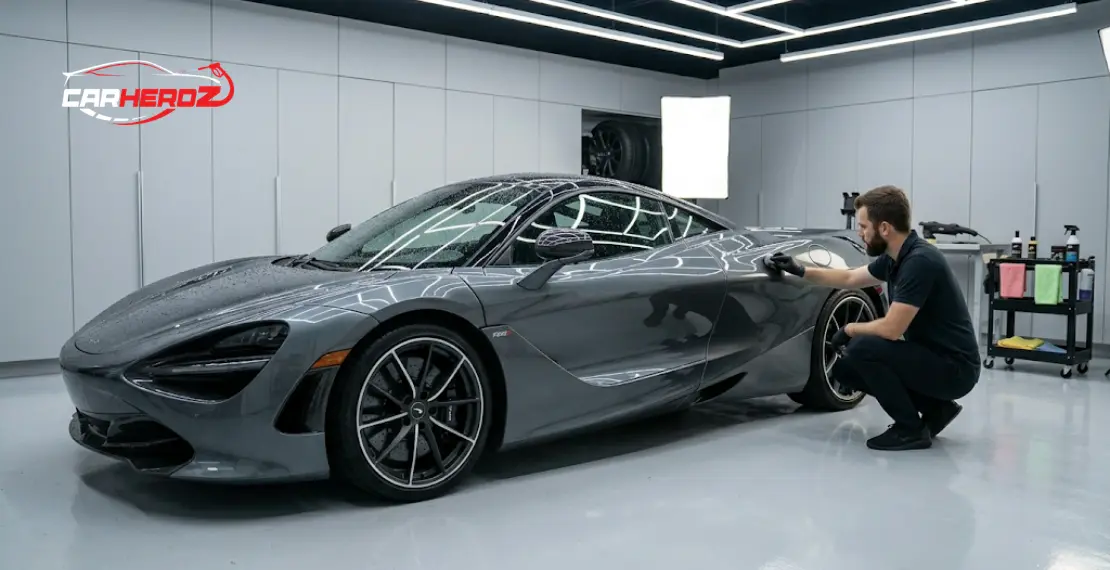
Ceramic coating is rapidly emerging to be one of the most reliable paint protection solutions, and car detailing plays a crucial role in maintaining your vehicle’s overall appearance and protecting its paint from long-term damage. In recent times, more so for car owners who desire the durability rather than mere shine. If the thought has crossed your mind, you’ve likely wondered what most people do: How long does ceramic coating actually last? The answer isn’t a single number. It not only comes down to the quality of the product applied, but also how you maintain the car after application.
This coating creates a semi-permanent or permanent bond with your vehicle’s paint, meaning it adds another layer of protection for your car’s exterior. Car ceramic coating is designed to protect the paint from UV rays, dirt, water, and chemical corrosion. While that layer is durable, it’s not invulnerable. Driving habits, exposure to sunlight, car washing practices, and where the vehicle is parked will all have an effect. A well-maintained vehicle that is parked under cover will preserve its protective film much longer than one that is not.
In this guide, we’ll explain what ceramic coating actually is and how long you can expect it to last in real-world conditions, along with the maintenance practices that help extend its lifespan. You’ll also be taught how to detect early signs of wear and when you might need to reapply. From just getting started in paint protection to the experienced owner of a ceramic-coated vehicle, this guide is designed to provide you with straightforward advice on how to protect your car’s finish for years.
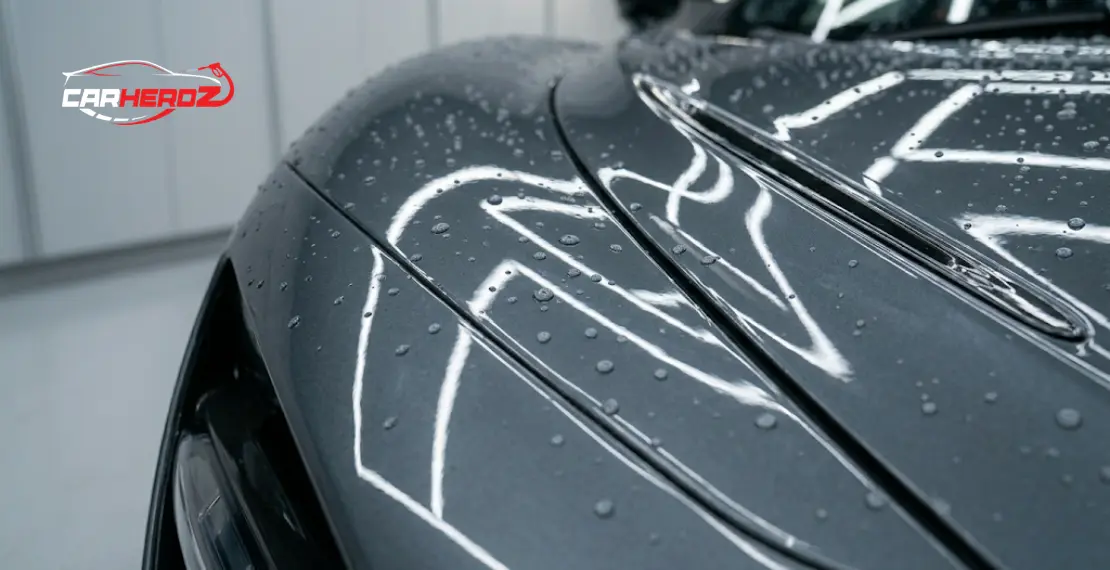
Ceramic coating comes as a liquid polymer to be applied to the car’s exterior to chemically react with the car paint from the factory. The effect of this coating after it cures is to create a clear and tough barrier against the normal scratches of the daily environment. Unlike wax coating, it doesn’t simply sit on the paint over time it bonds to the material, creating a long-lasting part covering that does everything you need of your car’s surface layer. Many car owners also combine ceramic coating with a car spa service to achieve a complete cleaning and protection solution.
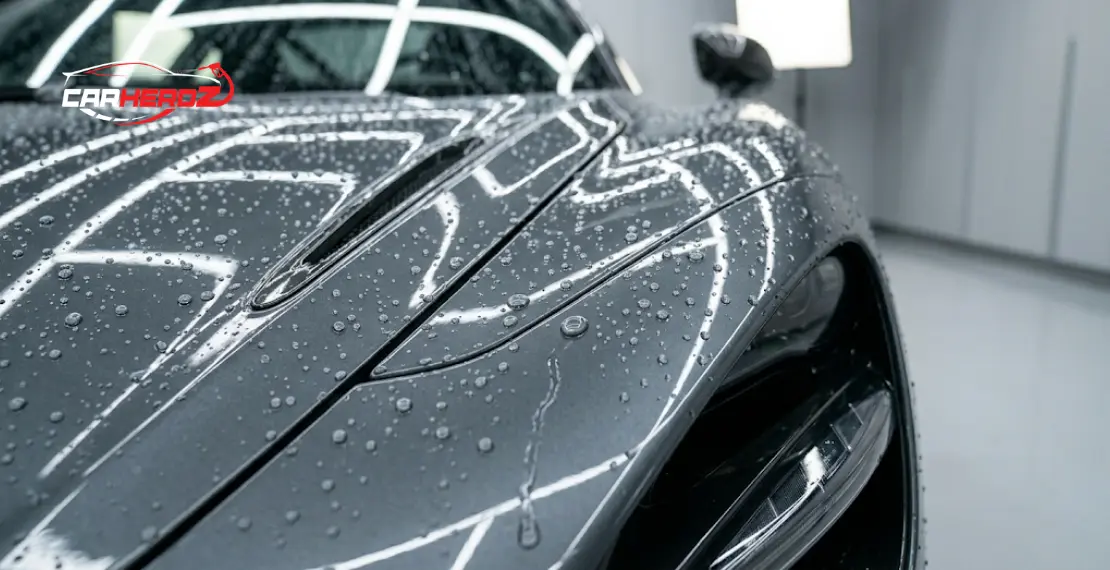
One good reason why people opt for ceramic coating is because of its ability to be water-repellent. Water, soil, and dirt just bead up and roll off this coating. This coating is very helpful in making car washing easier and in keeping the car clean.
Ceramics essentially protect your car paintwork against the following:
Besides providing that protection it adds an aggressive looking shine and lasts far longer than a wax or other sealant as well.
Wax: lasts for weeks to months, offers little protection
Ceramic: lasts for years with proper care and has high UV and chemical resistance
PPF (Paint Protection Film): Thick protective film for impact protection, more expensive
Nevertheless, most automobile owners regard the ceramic coat as having the optimal ratio of quality, price, and appearance.
The life expectancy of a ceramic coating depends on quality of product, application by the installer and maintenance after the fact. Although it’s intended to be long-lasting, aspects of the real world like weather, driving patterns and care regimens play a major role in determining how long the protection actually holds up.
As expected, it serves as an entry-level option for what it can provide throughout one to two years. These choices are ideal for car owners who want better protection than wax but don’t require long-term coverage. They provide mild gloss, minimal environmental protection and some water repellency. Provided adequate care (gentle washing and avoiding harsh chemicals) these coatings can last through the duration of their expected life. But constant exposure to sun, pollution, or improper washing can shorten their durability.
Mid to high-grade coatings typically last three to five years. These coatings are thicker and more durable from chemicals and environmental damage. They are optimized for difficult weather conditions such as rain, pollution or high temperatures. By rinsing, drying and spraying with maintenance products help maintain their protective qualities and appearance throughout their lifespan.
Professionally applied coatings can last up to seven years if cared for. They need careful surface prep work (paint correction) and decontamination and applied with precision. Given the right maintenance attention they return excellent gloss retention, high resistance to contaminants and ease of maintenance over long periods. Consistency in care is essential to achieve a full lifespan.
Even the best ceramic coating will only last if it’s treated properly. Your daily habits and environment also largely determine how long it works effectively.
The epoxy coating will lose its protective features by the constant exposure to intense sunlight. UV rays eventually degrade the surface layer, which results in the loss of gloss and water repellency. Parking in shaded or covered areas significantly reduces effects of UV on your car and preserves performance.
Mineral deposits from hard water will ruin the hydrophobic layer of the coating. If not removed, these deposits can corrode. Bird droppings, tree sap and road chemicals are to be removed quickly to prevent staining and long-term damage.
The use of strong detergents, dirty sponges or brushes will create micro-scratches that dull the gloss and reduce water beading. The careful methods and dedicated tools may help to preserve the coating’s effectiveness.
Proper surface preparation is critical. Poor paint correction or rushed application result in uneven coating as well as early coating failure.
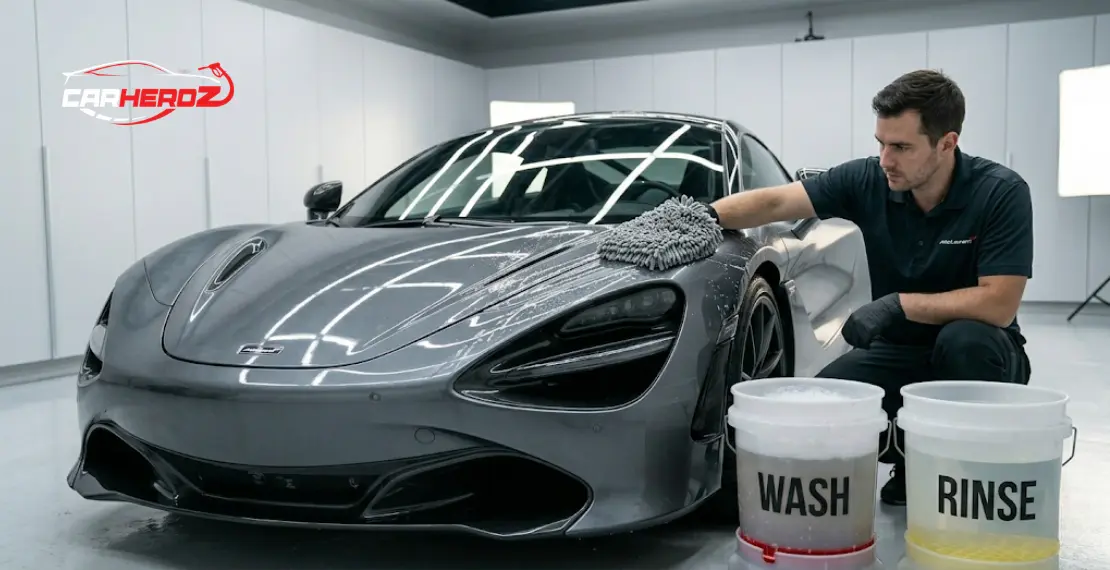
Maintenance is what separates a short-lived coating from one that continues to one that stays performing well year in, year out. Choosing a professional car wash service ensures safe cleaning practices that help preserve the ceramic coating for a longer time. Ceramic coating is built to last, however you must maintain the coated surface regularly to make sure its hydrophobic features and protection properties can be sustained. Tiny daily actions go a long way in determining how long the coating will last and how good it will look over time.
Regular washing will save your finish from build up of road and environmental contaminants. A proper car deep clean helps remove stubborn dirt and contaminants that can gradually reduce the coating’s effectiveness. If the contaminants are allowed to remain, over time they will break down the coating and diminish water beading.
Adhering to a timely wash regimen is also the best way to sustain both gloss and protection.
The two bucket method is one of the most secure approaches to cleaning a coated car. One for soapy water, the other for rinsing off dirt and grime. This prevents swirl marks from dragging dirt against the paint with a soggy cloth or sponge. Fewer swirls mean better gloss retention and longer-lasting protection.
Ceramic booster sprays rejuvenate the hydrophobic layer to keep it working like new with slickness and shine. They serve as a sacrificial layer, absorbing the bulk of environmental wear and tear so that your main coating will last longer. It also enhance water beading and allows for easier cleaning.
The stiff brushes and recycled water (which have dirt and grime) at an automatic car wash is frequently used. These are the micro-scratches which eventually cause dullness in finish and water repellency. Hand-washing or touchless professional cleaning is always a safer option.
Garages, covered parking, or shaded spots reduce UV exposure, as well the chances of contaminants settling on to your vehicle. Less exposure to sun also translates into slower degradation of the coating and better long-term performance, particularly in hot climates. Following the right winter car cleaning tips can further protect your ceramic coating from seasonal damage and harsh conditions.
A yearly inspection helps:
Frequent maintenance helps to keep little problems repaired prior to the sealant degrades.
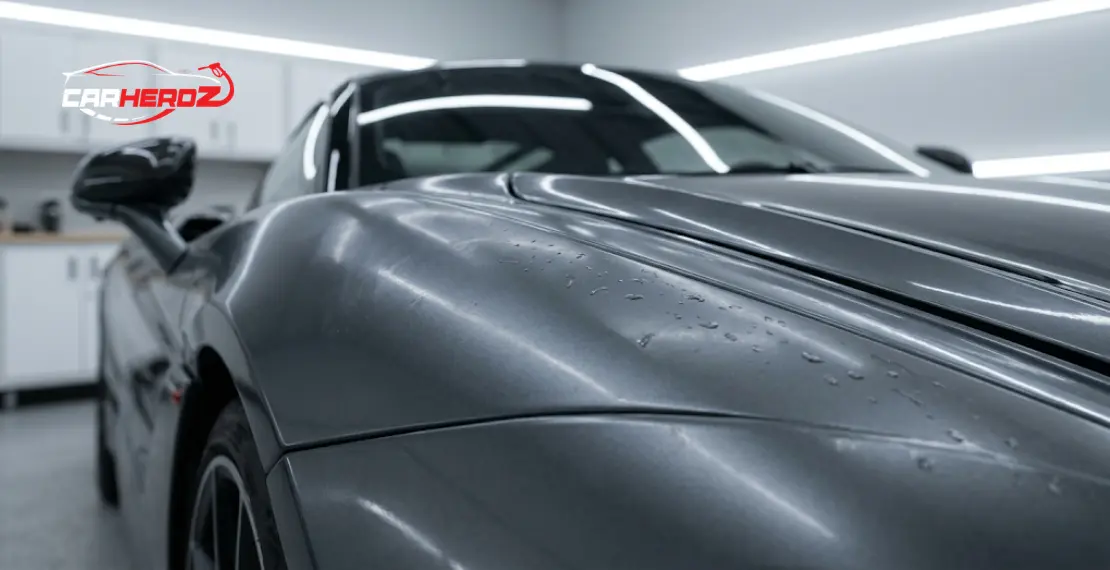
Even well-maintained coatings eventually wear down. Over time, daily exposure takes its toll. Watch for these signs:
If you experience any of these symptoms often, it is time to reapply so that you can be sure that you remain protected.
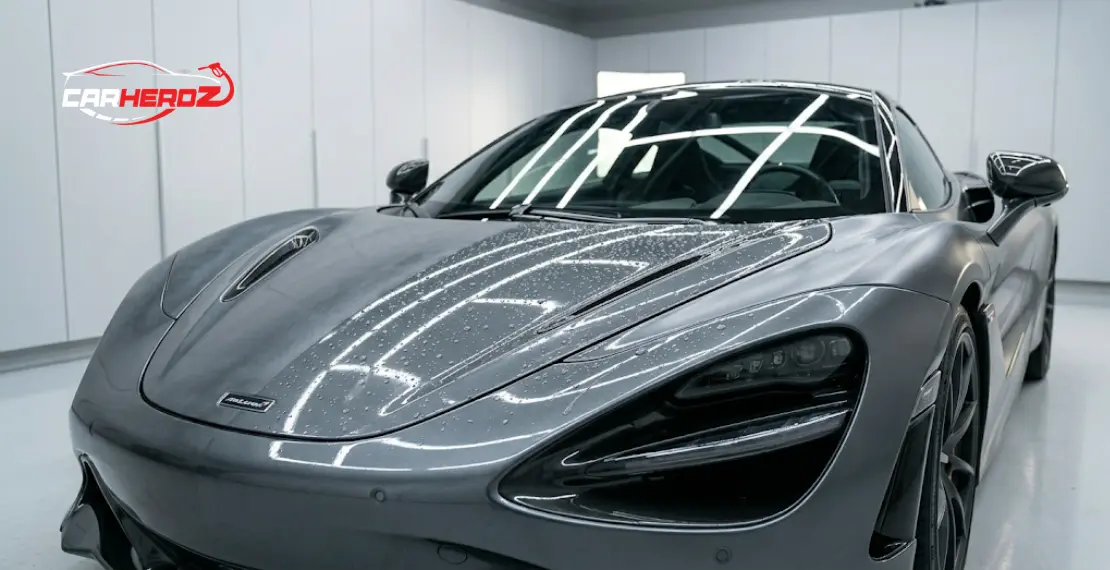
Wax:
Lifespan: Weeks to months
Best for: Short-term shine
Ceramic coating:
Lifespan: 1–7 years
Best for: Ultimate gloss and protection against chemicals
Lifespan: 5-10 years
Best for: Preventing damage from stone chips
Ceramic coating is an ideal medium for most cars used as daily drivers in terms of durability, aesthetics, maintenance requirements and cost.
Ceramic coatings may last anywhere from one to seven years depending on the product and how well you maintain the vehicle. Once again, while the coating is built for toughness, the real life of the paint is influenced directly by how you wash it when you park it and how quickly do you remove debris. With care, a ceramic coat helps protect your car’s paint well beyond that of conventional wax or sealants.
Simple maintenance procedures such as washing the coating gently, not using harsh chemicals and checking on periodically guarantee that it will always look like new. And that tiny bit of protection makes dirt, water spots and other environmental pollutants much less likely to adhere to the paint surface so your vehicle stays cleaner longer between washes and well-protected against the elements. This protection serves as a safeguard against paint damage, fading and other surface wear that can lead to expensive repairs.
Ceramic is not make for a shiny appearance, it’s made to save your paint for years and to have you enjoy the pride of ownership. A well-protected vehicle remains beautiful, feels good to drive, and maintains more of its value. Whether you’re a daily driver or show car enthusiast, the benefit offered by a ceramic coating is just as clear for both of them knowing that shine and protection appear to last forever.
Ceramic coating can last between one to seven years, depending on the type of ceramic, how well to the car is maintained and how it’s treated. That said, most basic coatings will last between one to three years while higher-end or professional coatings can substantially outlast that time frame with proper care. Factors like the local weather, driving conditions, cleaning routines and where you park all contribute to how long that life actually is. Standard maintenance helps the coating perform closer to its maximum potential.
Coating with Ceramic does need regular maintenance to maintain its effectiveness. While it reduces the need for frequent cleaning, it won’t eliminate maintenance completely. Frequent washing with pH neutral soaps, no harsh chemicals and occasional use of ceramic boosters will contribute to maintain/improve gloss and water repellency. Regular checkups also help stop contaminants from sticking to the vehicle and damaging the coating as time passes.
Ceramic coating is strong, but it’s not damage-resistant. Swirl marks from bad washing, water spots, bird droppings and environmental fallout can take away some of the performance of your surface! Automatic car washes and strong cleaners can also lead to premature wear. But with proper handling and quick cleaning, damage can be reduced.
Yes ceramic coating tends to be significantly better for long term protection compared to wax. Wax is for short-term shine, whereas ceramic paint protection is a more robust substance that resists chemicals and UV rays much better, for a considerably longer period.