

Car enthusiasts and car owners tend to believe car cleaning to be a mere aesthetic task where the car needs to be cleaned for a short while before getting dirty again. In contrast to this aesthetic process of car cleaning, car detailing is much more important and plays a critical role in not only protecting your car from being damaged but also in ensuring your car runs at its best for a longer period of time.
With every ride that you take, your car will inevitably encounter dust, pollutants, moisture, road salts, and even heat. Although these substances might not present any threats to the well-being of your car at first glance, if neglected and allowed to pile up, you will see their negative effects upon paint finish, engine parts, and even upholstery. Through car detailing, you will address these concerns even before common car maintenance like car washing takes place.
With this guide, we’ll explore how car detailing helps in extending the life span of your car and also establishing performance and function. From how car exterior detailing affects a car’s paintwork to how interior detailing ensures a clean and hygienic environment and how engine detailing enhances efficiency, this guide is here to provide insightful information on how car detailing maximizes the potential and longevity of a vehicle. Even if you own a car which is driven occasionally or on a regular basis, this guide is here to ensure a clean driving experience for you.

Car detailing is often mistaken as just a regular car wash. However, the two tasks are very different. Car washing simply keeps the vehicle presentable. On the other hand, detailing the car is more about protecting the vehicle. Car detailing is about the preservation of the vehicle.
A routine professional car wash service basically involves cleaning the outer layer and eliminating any observable dirt on its surface. Although this helps in short-term cleanliness and disinfection, it does not take into consideration or address the hidden dirt within the interior layer(s) and/or protective layer.
Car detailing, on the other hand:
Detailing works as preventive care, reducing wear and slowing down aging rather than reacting to damage later.
A professional detailing process usually includes:
Each part has a designated function in ensuring that the vehicle is in good health.
With dirt, water, and contamination being wiped away, car parts will last longer. Car paint will remain protected from deterioration, rubber seals will not become brittle, and ADAs will not break or stain. Having a tidy engine bay makes it easier to manage heat and catch leaks early. Over time, that cuts repair costs, improves performance consistency and extends the usable life of a car without altering its driving characteristics.
Consistent care affects nearly every part of your vehicle, but few practices are as comprehensive as car detailing. It’s not just basic cleaning you’re looking at here, it is also all about long term protection, performance and conservation. In fact, with regular detailing a vehicle will also look better for longer and you’ll be doing your bit to keep it in the best condition possible.
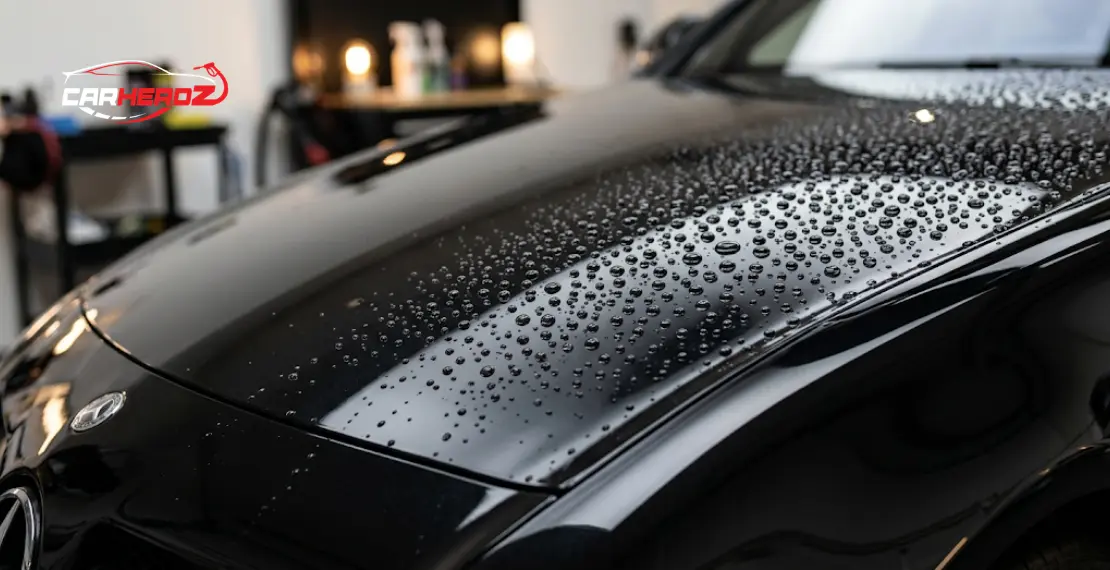
Paint damage may be looked upon as cosmetic; however, when the protective layer of paint weakens, the metal substrate is compromised. Regular car detailing helps preserve this outer shield before deeper damage begins.
Detailing protects paint through:
These treatments also help to protect your vehicle from harmful UV rays, pollution and bird droppings, as well as the inevitable deterioration of life on the road. Protected paint also has greater resistance to water, which can prevent corrosion.
Rust is among the most dangerous factors for a car’s life span. This process develops in silence and has a negative impact on a car’s structure. This is where regular car detailing plays a critical role.
Detailing includes:
This is even more crucial during the rainy season and winter where a layer of road salt and constant moisture will increase corrosion effects,
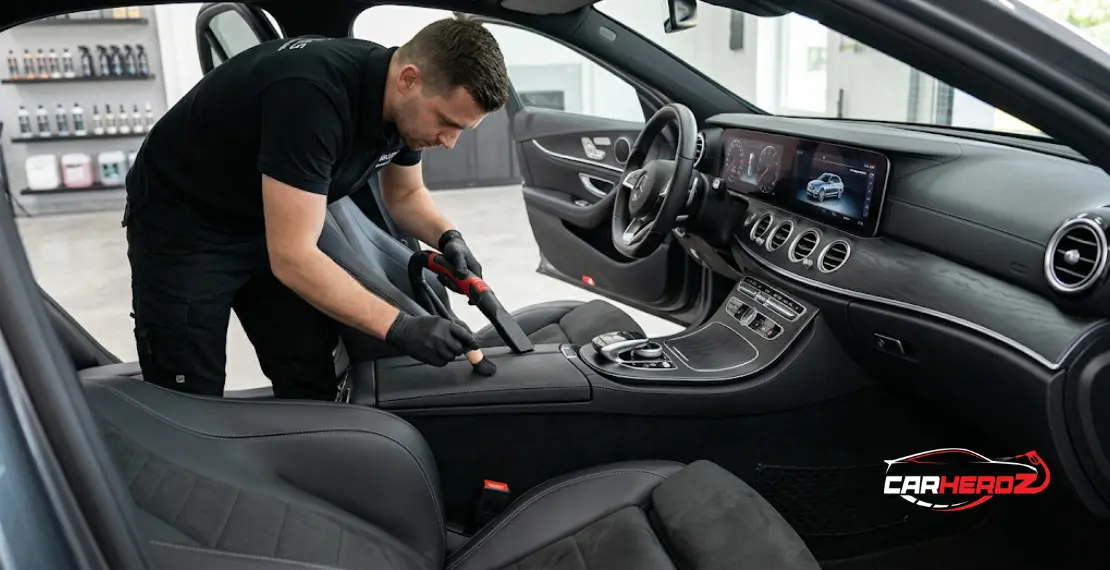
Interior neglect leads to quicker wear and adverse interior conditions. Dust, bacteria, and allergens will readily accumulate, especially in a closed setting. Detailing a car is how interior areas are attended to that are not covered during regular interior cleaning.
A complete car spa service assists in preventing the wearing out of fabric or leather-coated seats while also improving overall interior hygiene.
Detailing assists in:
A clean interior feels much better and will last longer, providing comfort for many years with ease.
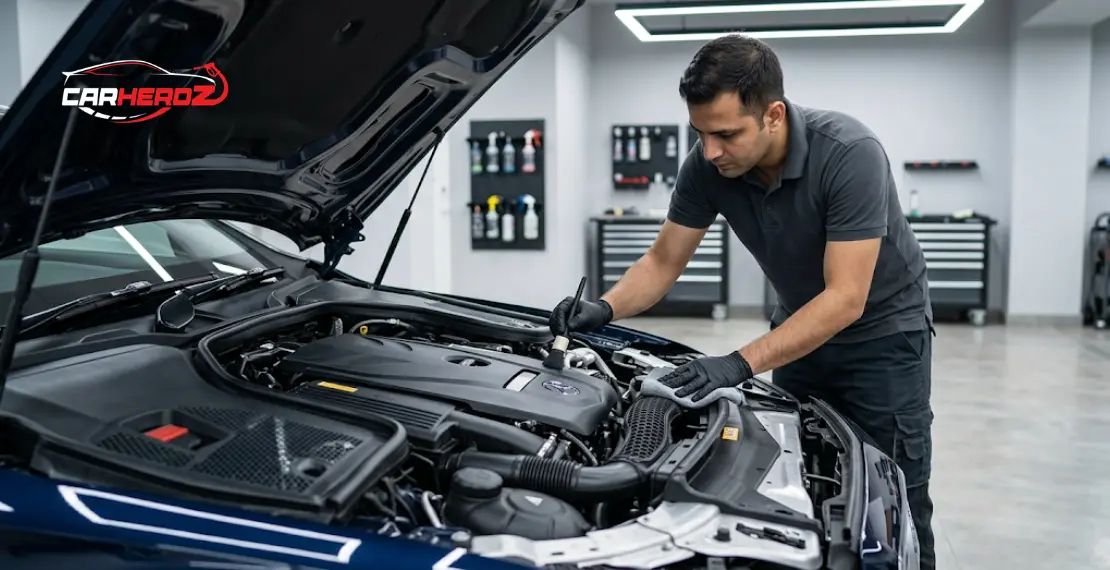
The engine and bay area are frequently ignored, but play a major role in the performance and durability of your vehicle. A dirty engine bay traps heat, oil residue, and debris. With professional car detailing, these issues are addressed safely and effectively.
Professional detailing:
A cleaner engine often runs more efficiently, experiences less heat stress, and remains reliable for longer periods.
A well-kept car speaks a lot to prospective car buyers. Regular car detailing indicates that a person takes care of a car in a responsible manner.
Regular detailing:
Vehicles with a detailed maintenance history often sell faster and command better resale prices.

The exterior of your car endures daily exposure to the sun, air pollution, moisture, and the elements. The exterior of a car detailing packages is focused on maintaining the vehicle’s factory finish and shielding it from damage that will shorten its lifespan.
Paint correction removes:
This revitalizes the surface, as it smoothens the surface to make it clearer.
Along with both waxing and polishing:
These measures retard paint deterioration considerably.
Paint Protection Film (PPF) and ceramic coating provide long-lasting surface protection and high resistance to environmental damage.
These solutions offer:
When used properly, ceramic coating complements car detailing and helps in long-term paint preservation.
The interior often shows wear faster than the exterior. Interior car detailing focuses on cleanliness, comfort, and material preservation.
Vacuuming removes:
This prevents fibers from breaking down prematurely.
Deep upholstery cleaning:
Regular care:
Leather needs moisture to remain flexible. Conditioning:
There’s no single schedule that works for all, and following essential Winter Car Cleaning Tips can help protect your vehicle during harsh seasonal conditions. Car detailing should be done based on driving habits, environmental conditions, and the overall condition of the vehicle.
Daily city driving: every 3–4 months
Occasional use: every 6 months
Harsh climates or outdoor parking: more frequent detailing
Monthly: light interior and exterior maintenance
Quarterly: full interior and exterior detailing
Biannual: deep detailing with protection
Choosing the right cycle helps maintain both performance and appearance.
Ignoring early warning signs shortens your vehicle’s lifespan. These indicators suggest immediate car detailing is needed:
Addressing these signs early prevents small issues from turning into expensive repairs.
Preventing mistakes is equally as important as details when it concerns maintaining the lifespan of your vehicle. Most car owners focus on general appearance but miss small issues that cause gradual damage over a long period of time. One very common mistake made is to overlook minor scratches. These seemingly harmless minor scratches expose the metal below the paint. As the days pass, water and air reach these exposed areas of the metal, thus causing rust and corrosion that could become out of control if left unaddressed over a certain amount of time.
Another area which is commonly left behind is AC vents. If these are not properly cleaned, the dust, germs, and other allergens in them are spread throughout the cabin. This is harmful to the cooling system, reduces cooling efficiency, and can also give off a bad smell that may, in fact, be rather tough to remove later. Another mistake people make quite often is using harsh chemicals on leather surfaces. Strong cleaners take away the natural oils of leather, which leads to drying out and cracking of leather, and sometimes causes its color to fade prematurely.
Once the leather is damaged, in most cases it becomes either too expensive or impossible to repair. The total, but not least, neglect of the underbody washing can significantly shorten a car’s life. Mud, water, and road salt gather underneath the vehicle and speed up corrosion in areas where this effect is hardly possible to notice. Regular cleaning of the car’s underbody helps avoid such hidden rust and structural damage over time.
Regular car detailing isn’t an indulgence, it’s good for the long-term health of your vehicle. A well-detailed car doesn’t just look good but performs better, lasts longer and can, if you need it to, retain its value through everyday wear and tear. By taking care of both the exterior and interior, detailing helps prevent potential issues such as paint damage, rust buildup, fabric wear-out or mechanical problems that makes its way silently over time.
This serves to protect your car from the elements (sun, pollutants and more). Interior detailing also helps you stay healthy and comfortable, and protects beneficial materials like your seats, dashboards, vents from cracking, fading or gathering harmful dust and allergens. Even engine bay cleaning plays an important role by reducing buildup, improving heat dissipation, and allowing early detection of potential problems.
Together these benefits keep your car running like new and looking good. Regular detailing will also help reduce surprises when it comes to the need for repairs. Small problems are also cheaper and easier to fix when you catch them early, and this can save money in the long run (plus a lot of stress). Beyond performance, it’s simply more enjoyable to drive a clean and well-maintained car every day.
Car detailing extends a vehicle’s lifespan by preserving the paint, interior and engine of the vehicle in very good condition. Frequent detailing also thwarts rust, fading and stains in addition to crystallizing that “new car” charm and longevity. It not only enhances overall reliability but also helps maintain the resale value of a vehicle over time.
The majority of vehicles that are professionally detailed every 3–6 months is best, although how often it should be done depends on such factors as where and how you drive. However, cars that are driven on a daily basis, parked outside or driven in dusty, rainy or high-traffic areas will require more frequent detailing. Intervals can also be less frequent for vehicles driven occasionally or covered and parked. The goal of detailing a vehicle on regular intervals offers cleanliness, protection, and long-term value.
Yes, detailing is more thorough than regular washing. While surface dirt can be washed off, detailing refers to a more thorough and restorative type of cleaning. It covers things like upholstery, vents, paint correction and protection that just washing wouldn’t hit often resulting in better responsiveness and appearance.
Absolutely, a well-detailed car appears newer, feels better maintained, and instills buyer confidence, which could bring about higher resale offerings and faster sales. Clean interiors and protected paint alone hint at decent treatment, as does a well-kept engine bay. Many people are willing to pay more for a car that looks consistently maintained and has little wear.